
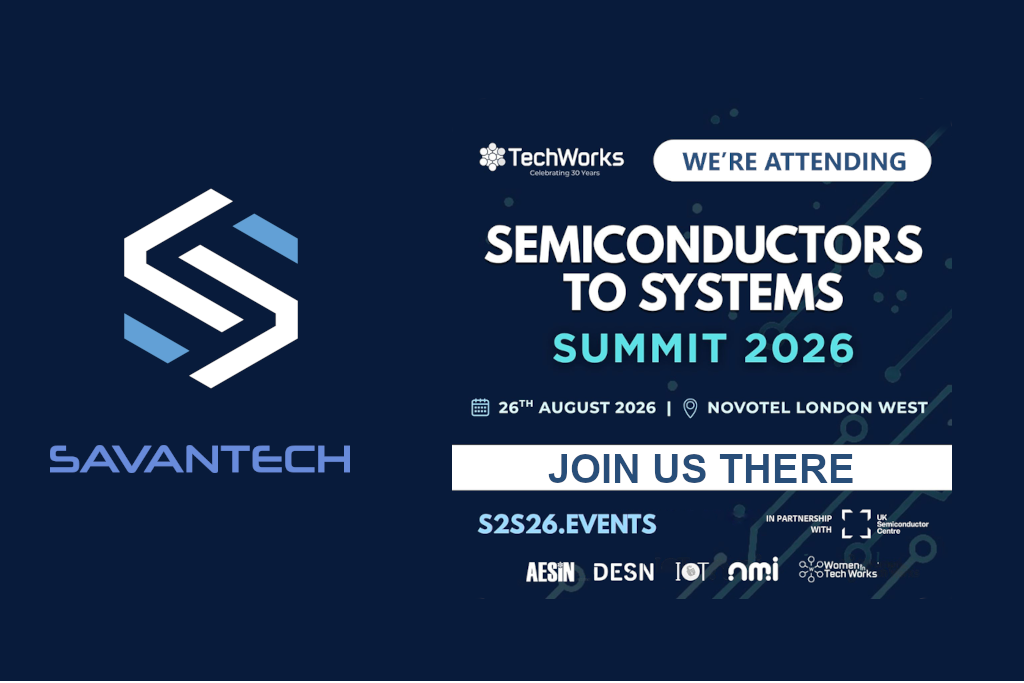
This year, NMI celebrates the 30th anniversary of its flagship TechWorks summit, bringing together leaders from across the semiconductor, advanced engineering and technology sectors to explore the ideas and technologies shaping the future. As we prepare for this milestone event, we've found ourselves reflecting on something that has remained remarkably consistent throughout more than two decades working alongside innovative organisations.
Every organisation we've worked with has been different. Different products, different technologies, different markets and different ambitions inevitably shape the way each business operates. Yet beneath those differences, we've repeatedly encountered remarkably similar operational challenges. As organisations grow, information becomes more fragmented, knowledge is spread across specialist teams, and maintaining visibility across projects, manufacturing operations and business processes becomes progressively more difficult.
Technology never stands still. Organisations evolve, products become more sophisticated and markets continue to change. Yet the operational questions that emerge during growth are often surprisingly familiar. How do you keep knowledge connected? How do you ensure people can trust the information they're using? How do you maintain visibility without adding unnecessary complexity?
Those are the questions that have shaped much of Savantech's work over the past twenty years.
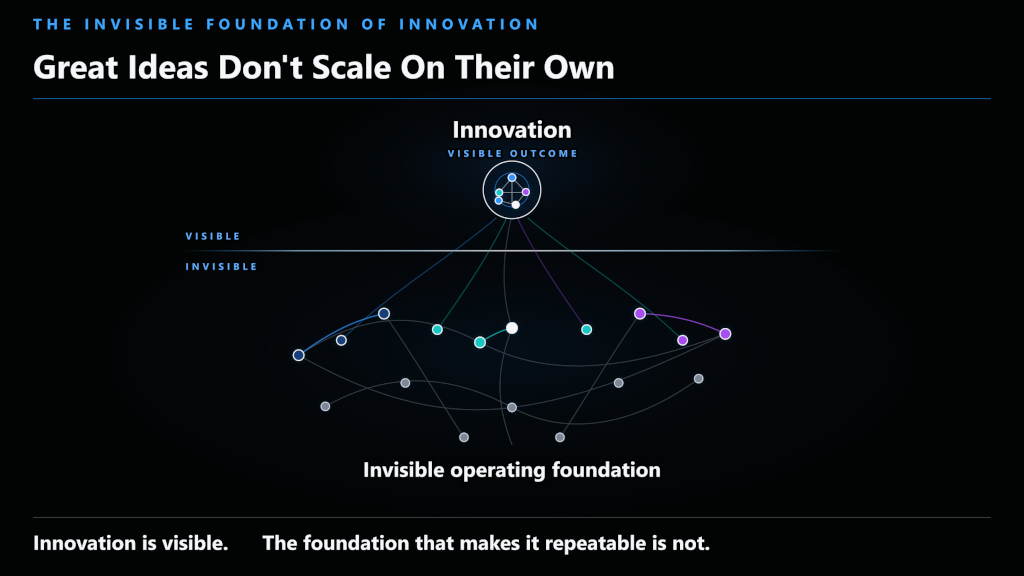
Innovation is naturally associated with what we can see: new products, engineering breakthroughs, manufacturing capability and technological progress. Those achievements deserve the attention they receive, but our experience suggests they are only part of the picture.
Behind every successful innovation sits an operational foundation that is rarely visible. It is built on connected information, effective collaboration, well-understood processes and the ability to make confident decisions. When those foundations are strong, organisations are able to innovate repeatedly. When they are weak, complexity gradually begins to limit progress, regardless of how capable the engineering teams may be.
We've seen this happen in many different ways. Some organisations struggled because critical information was spread across disconnected systems. Others found that valuable knowledge remained within individual teams or specialists. In other cases, information was available, but difficult to access, difficult to interpret or simply presented in ways that made timely decisions harder than they needed to be.
The challenge was rarely a lack of information.
More often, it was making existing information useful.
Over more than two decades, we've helped organisations address these challenges in many different ways. Some projects required bespoke software developed around highly specialised engineering or manufacturing processes. Others focused on connecting existing business systems so information could move more effectively between departments. In some cases, the priority was improving traceability. In others, it was presenting operational information in a way that helped engineers, project managers and manufacturing teams make faster, more informed decisions. Many organisations also wanted to automate alerts, notifications or routine actions because relying on someone to manually monitor multiple systems was no longer sustainable as operations became more complex.
Interestingly, very few of these conversations began with a request for "another system". More often, organisations already possessed the information they needed. The real challenge was that it was spread across multiple applications, databases and business processes. Engineers spent valuable time searching for information instead of using it. Managers relied on reports that were often out of date by the time they reached them. Operational teams needed a clearer, more connected view of activities that had evolved across systems never originally designed to work together.
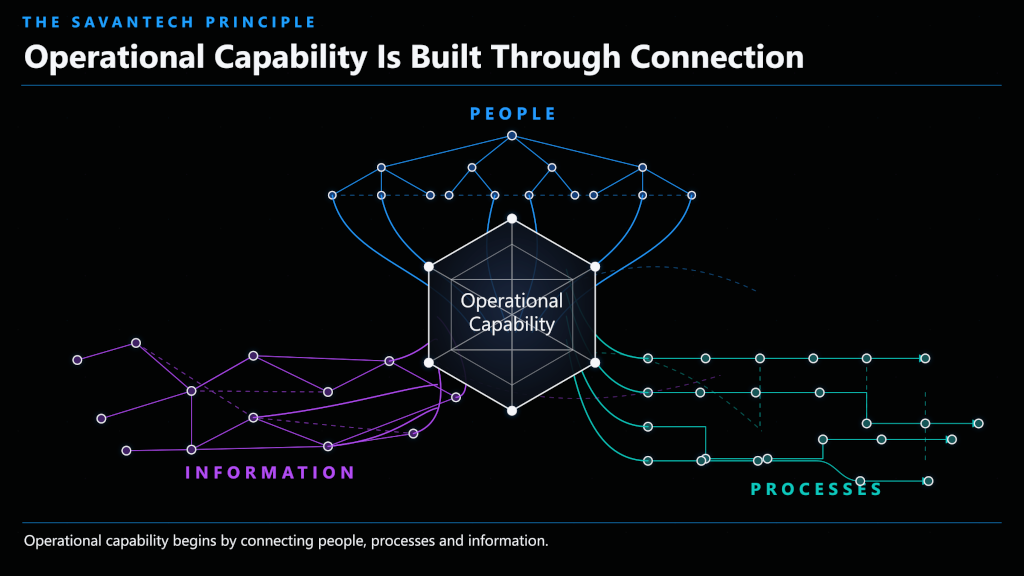
Our role has often been to bridge those gaps by connecting systems, exposing information more effectively and helping organisations turn isolated data into operational awareness. Sometimes that meant developing bespoke software around a customer's unique processes. In other cases, the same operational patterns emerged often enough that they evolved into reusable solutions. That journey gave rise to technologies such as CoreTegral, helping organisations connect information across existing systems; CoreTrakk, improving operational visibility and traceability; and RMS, supporting specific manufacturing and operational requirements. While each solution addressed different needs, they all shared the same objective: helping organisations reduce operational complexity by connecting people, processes and information.
As similar projects accumulated across different industries, one conclusion became increasingly difficult to ignore. Organisations weren't looking for more software; they were looking for greater operational awareness. They wanted people to spend less time searching for information and more time using it. They wanted systems to support collaboration rather than fragment it. Above all, they wanted confidence that the right information would reach the right people, at the right time, so better decisions could be made with greater certainty.
Perhaps the most interesting lesson came from our own organisation.
As Savantech evolved, we found ourselves facing many of the same operational challenges we had spent years helping our customers solve. Like every growing organisation, we needed better ways to connect information, retain knowledge, improve collaboration and maintain visibility across increasingly complex activities. Solving those challenges internally reinforced everything we had already learned through our work with innovative organisations.
That experience ultimately shaped the development of Harmonix.
Rather than being conceived as another standalone application, Harmonix represents the natural evolution of more than two decades of practical experience. It brings together the lessons learned through consultancy, systems integration, bespoke software development and the operational challenges we encountered ourselves. Instead of replacing the systems organisations already depend upon, it is designed to help them work together more effectively, making information easier to understand, easier to trust and easier to act upon.
Looking back, we don't think the most successful organisations are necessarily those with the most sophisticated technology. More often, they are the organisations that have developed the operational capability to support innovation over time. They are able to retain knowledge as teams grow, adapt their processes without losing visibility and ensure that information reaches the right people when it matters.
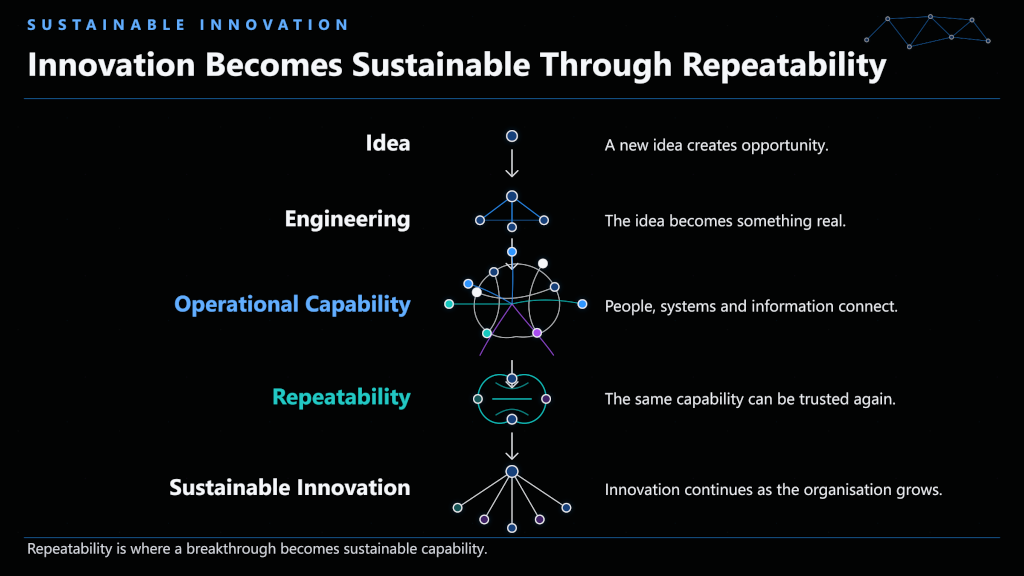
Innovation may begin with an idea.
Engineering turns that idea into reality.
But sustainable innovation depends on something less visible: the operational capability that allows organisations to repeat success without losing control as complexity grows.
As we prepare for this year's TechWorks summit, those are the conversations we're looking forward to having. Not simply about the technologies shaping tomorrow, but about the operational foundations that enable innovative organisations to keep moving forward, year after year.

Copyright © 2024 Savantech Limited


